A Comprehensive Comparison of New vs. Used Auto Parts
Understanding the Basics: New vs. Used Auto Parts
When it comes to maintaining or repairing a vehicle, the decision between purchasing new or used auto parts can significantly impact both the performance and cost of the repairs. Understanding the pros and cons of each option can help vehicle owners make informed decisions that suit their needs and budget.
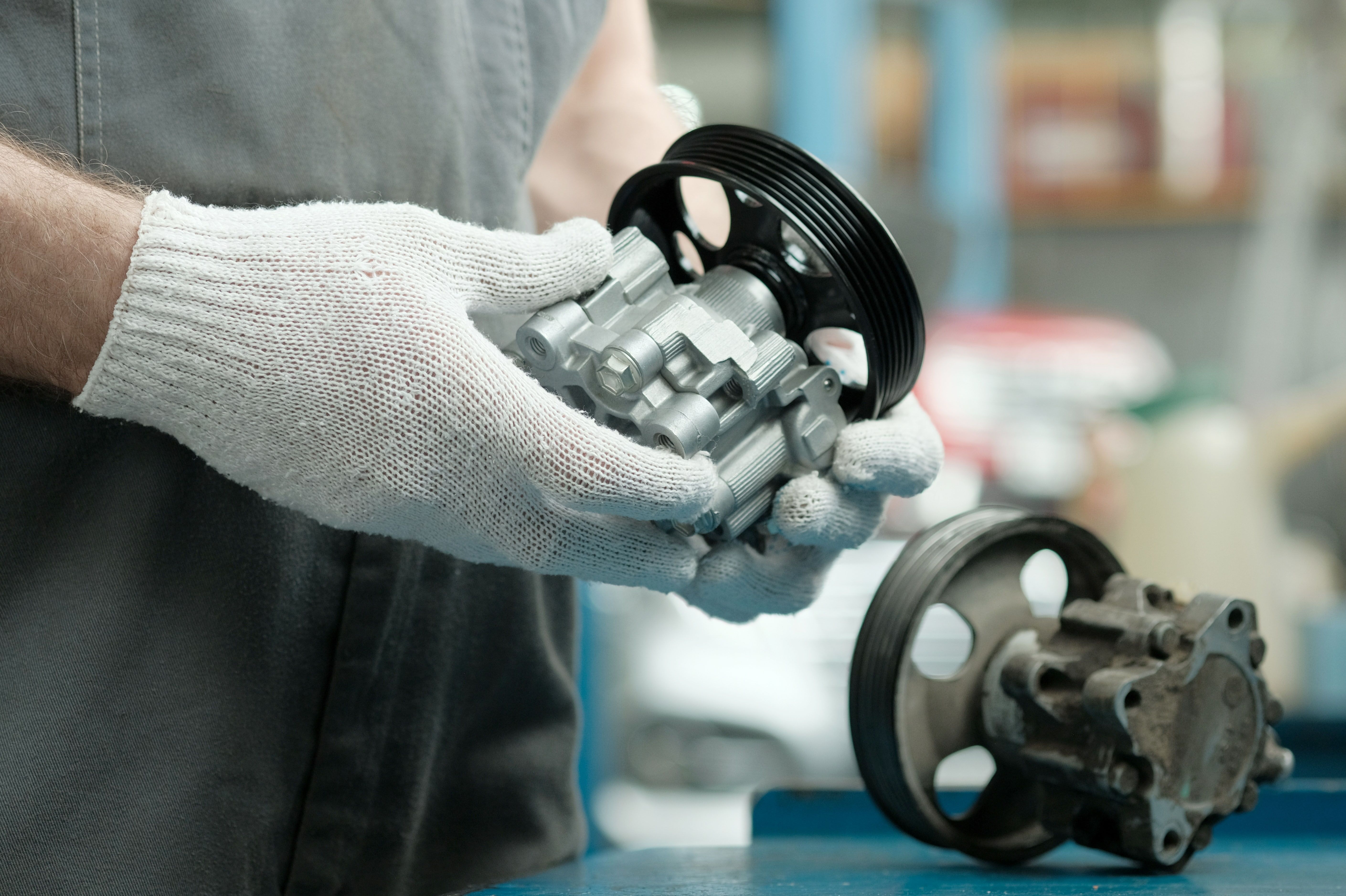
New auto parts are typically purchased from manufacturers or authorized dealers and come with the assurance of quality and performance. They often include a warranty, providing peace of mind in case of defects or failures. However, these benefits come at a price, as new parts tend to be more expensive than their used counterparts.
The Benefits of New Auto Parts
One of the main advantages of opting for new auto parts is reliability. Since these parts are freshly manufactured, they have not been subjected to wear and tear, ensuring optimal performance. Additionally, new parts are designed to meet the latest specifications and technological advancements, which may enhance vehicle efficiency and safety.
Another important factor to consider is the warranty that accompanies new parts. This warranty can provide coverage for a specific period or mileage, protecting buyers from unexpected expenses due to part failures. In the long run, this security can justify the higher initial cost of purchasing new parts.
Drawbacks of New Auto Parts
Despite their advantages, new auto parts can be cost-prohibitive for many vehicle owners. The higher price point may not always be justifiable, especially for older vehicles where the cost of new parts could exceed the car's market value.

The Appeal of Used Auto Parts
Used auto parts offer a more budget-friendly alternative for those looking to save money on repairs. These parts are often sourced from salvage vehicles and can be significantly cheaper than new ones. For older vehicles or those with high mileage, used parts can be an economical choice that aligns with the car's remaining lifespan.
Environmental impact is another consideration that favors used auto parts. By reusing components that are still functional, buyers contribute to reducing waste and conserving resources, supporting sustainability efforts in the automotive industry.
Potential Risks with Used Auto Parts
While the cost savings are appealing, used auto parts come with certain risks. The primary concern is reliability since these parts have already been in use and may have varying degrees of wear and tear. Buyers might not always have full knowledge of the part's history or condition.

Furthermore, used parts often lack a warranty, leaving buyers vulnerable if failures occur shortly after installation. It's crucial for buyers to source used auto parts from reputable suppliers who can verify their quality and condition before purchase.
Making an Informed Decision
When deciding between new and used auto parts, it is essential to weigh the factors of cost, reliability, warranty, and environmental impact. For newer vehicles or critical components, investing in new parts might be wise due to their reliability and warranty protection. Conversely, for less critical repairs or older vehicles, used parts can offer substantial savings without compromising too much on performance.
Ultimately, the choice between new and used auto parts will depend on individual circumstances, including vehicle age, repair budget, and personal preferences. By carefully considering these aspects, drivers can make decisions that best meet their needs while keeping their vehicles running smoothly.