Common Misconceptions About Used Auto Parts: What Every Buyer Should Know
Understanding the Value of Used Auto Parts
When it comes to car maintenance and repairs, many people hesitate to consider used auto parts due to various misconceptions. However, used parts can be a viable and cost-effective option for many vehicle owners. Understanding the real value of these parts can help dispel myths and make informed decisions.
Myth: Used Parts Are Inferior in Quality
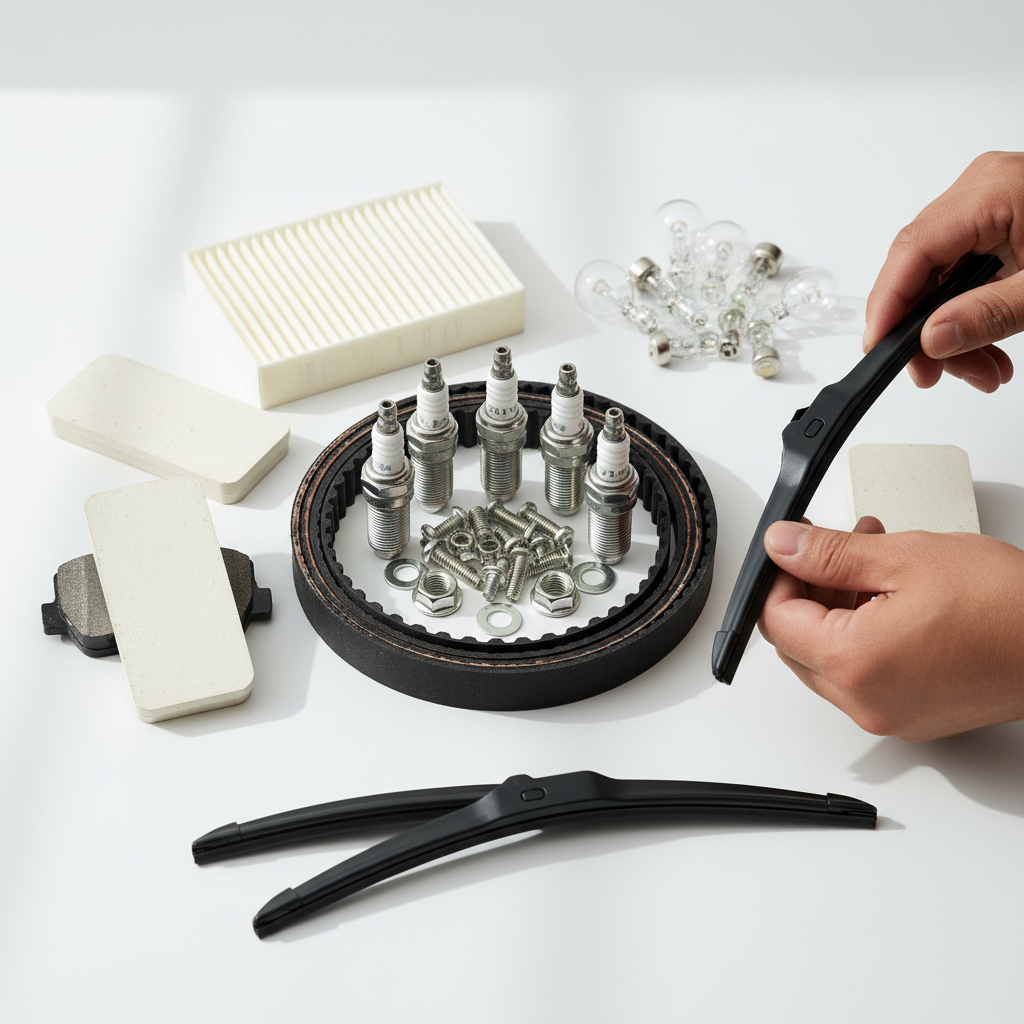
A common belief is that used auto parts are inherently lower in quality compared to new ones. However, many used parts are sourced from vehicles that were in good condition or have low mileage. Additionally, some parts are refurbished to meet specific standards, ensuring they are reliable and safe for use.
Myth: Used Parts Don't Last Long
Another misconception is that used auto parts have a shorter lifespan. In reality, the longevity of a part depends on its type and how well it was maintained. Components like transmissions and engines can often outlast the vehicle's body, making them excellent candidates for reuse.
Benefits of Choosing Used Auto Parts
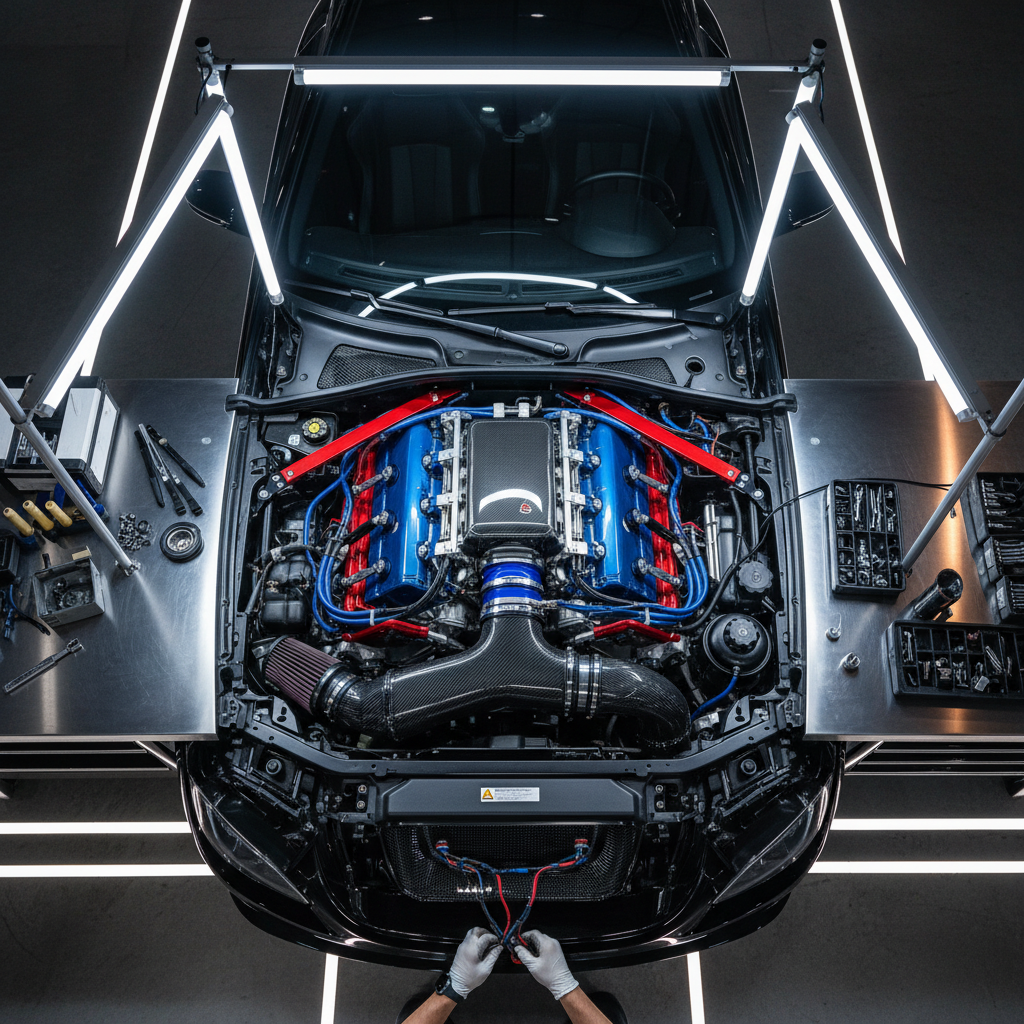
Aside from cost savings, opting for used auto parts can be an environmentally friendly choice. By reusing parts, you contribute to reducing waste and conserving natural resources, as less energy is required to refurbish parts than to manufacture new ones.
Cost Savings
One of the most significant advantages of purchasing used auto parts is the potential for substantial cost savings. On average, used parts can cost 50-75% less than their new counterparts, making them an excellent option for budget-conscious consumers.
Availability and Variety
Contrary to popular belief, finding the exact part you need is often easier with used auto parts. Many salvage yards and online marketplaces offer a wide variety of parts for different makes and models, increasing the chances of finding a perfect match for your vehicle.
Tips for Buying Used Auto Parts
To ensure a successful purchase, it's crucial to do your research and buy from reputable sources. Here are a few tips to keep in mind:
- Verify the part's compatibility with your vehicle's make, model, and year.
- Check the warranty offered by the seller for added peace of mind.
- Ask for the part's history to understand its condition and usage.
By keeping these insights in mind, you can confidently explore the world of used auto parts, benefiting both your wallet and the environment.