DIY Tips: How to Install Used Car Parts Safely and Efficiently
Understanding the Basics of Used Car Parts
Purchasing used car parts can be a cost-effective way to maintain and repair your vehicle. However, it's essential to approach this DIY project with the right knowledge and techniques to ensure safety and efficiency. Before you begin, familiarize yourself with the specific part you need and its compatibility with your car model.
Research is crucial. Check online forums, guides, and manuals about the car part you intend to replace. Understanding the part's function and how it integrates with your vehicle can prevent potential mishaps during installation.
Finding Reliable Used Car Parts
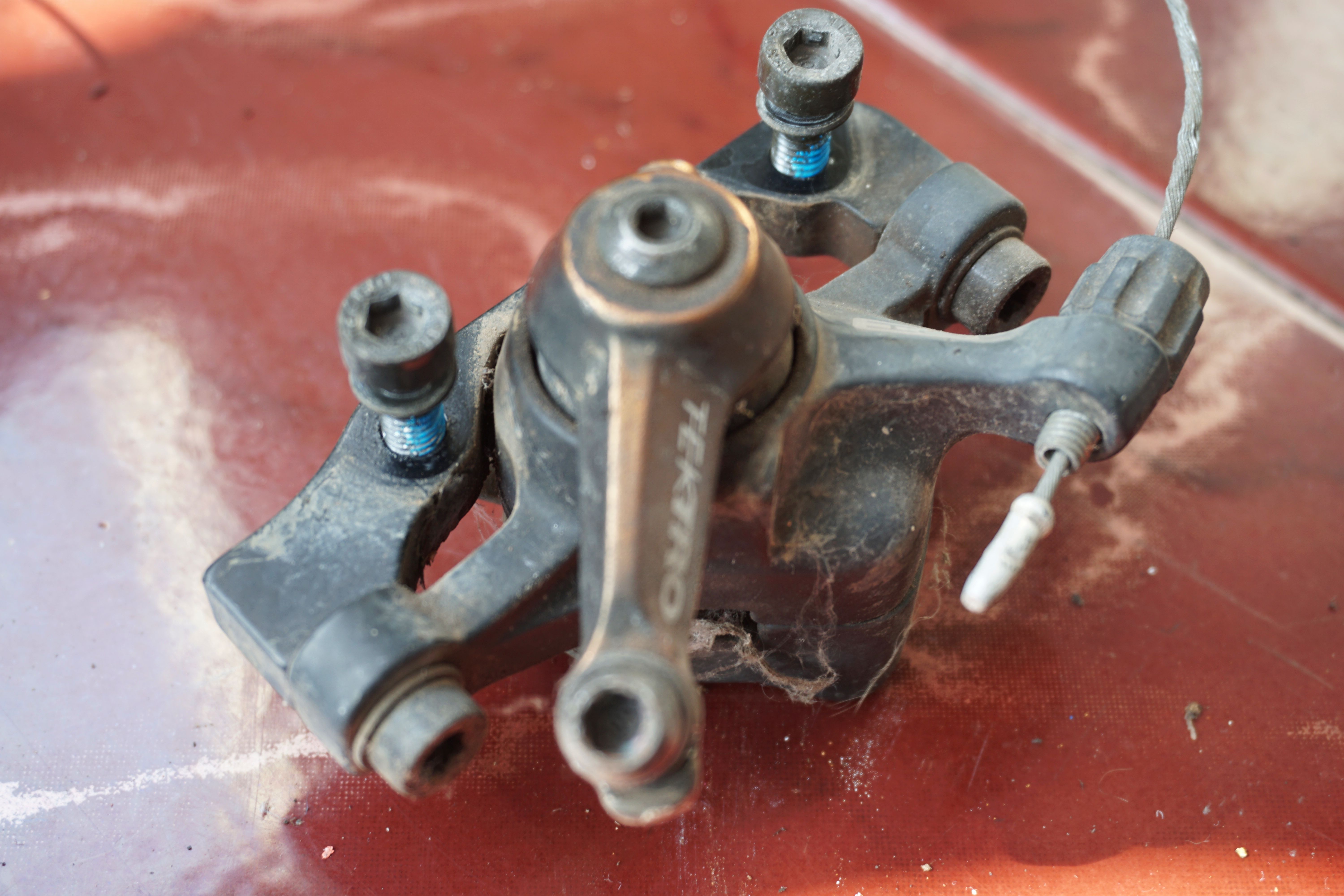
When it comes to sourcing used car parts, quality and reliability are paramount. Consider purchasing from reputable salvage yards, certified resellers, or online marketplaces with verified reviews. Always inspect the parts for wear and tear before buying.
Establishing a relationship with a trusted supplier can also be beneficial. They can provide guidance on the best parts available and offer warranties or return policies to ensure your peace of mind.

Preparing for Installation
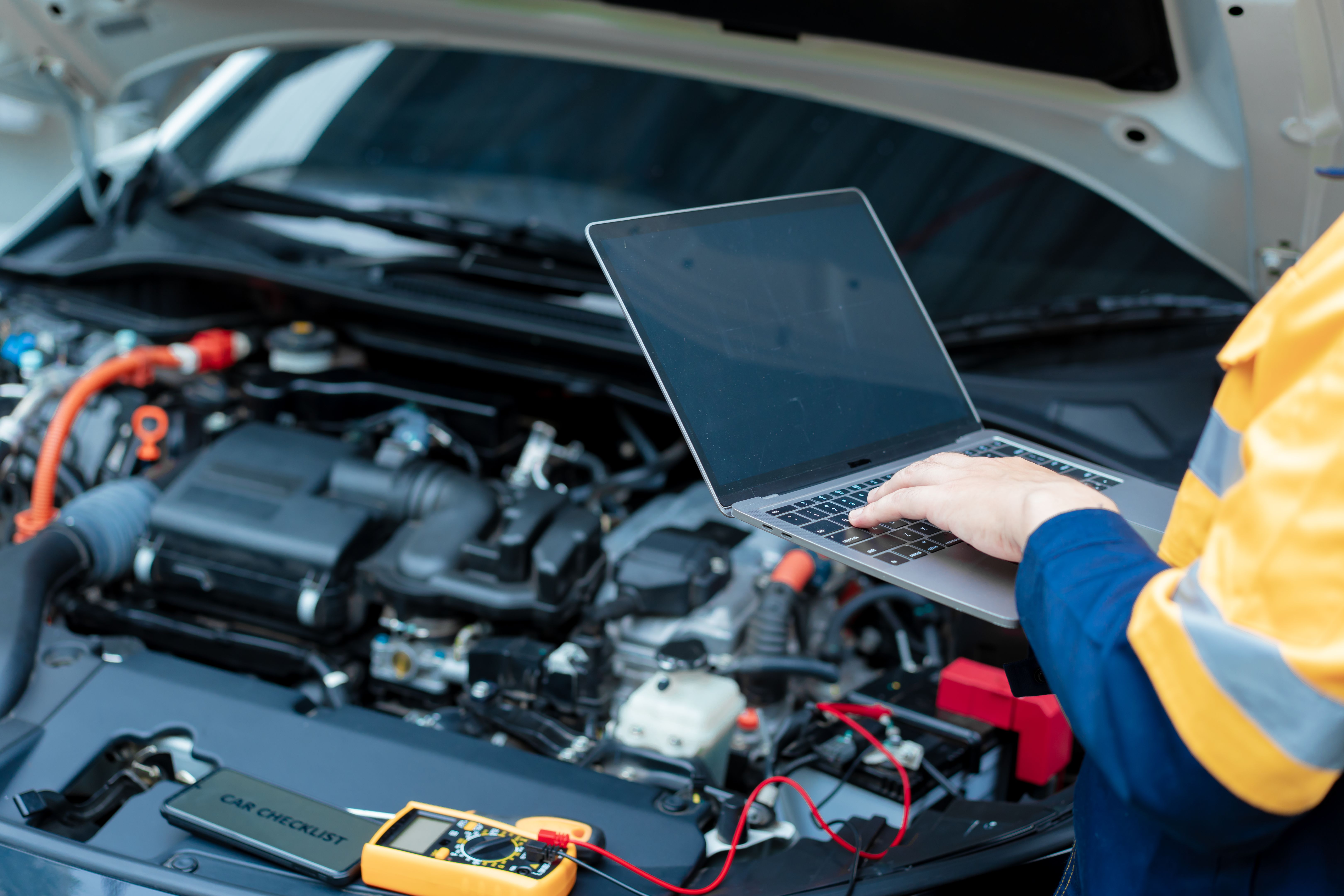
Before starting the installation process, ensure you have the necessary tools and workspace. A well-lit and organized area can make the process smoother and reduce the risk of errors. Gather tools such as wrenches, screwdrivers, and any specific instruments required for the part you're installing.
Safety should always be your top priority. Use protective gear, including gloves and goggles, to shield yourself from potential hazards. Disconnect the car battery to prevent electrical shocks during the installation.
Step-by-Step Installation Guide
Installing used car parts requires careful attention to detail. Here is a basic step-by-step guide:
- Remove the old part: Follow your car's manual to safely remove the existing part. Keep track of screws and bolts.
- Inspect the new part: Compare it with the old one to ensure compatibility and condition.
- Install the new part: Carefully fit it into place, securing bolts and connections as per the manual.
- Test the installation: Reconnect the battery and start the car to ensure everything functions correctly.
Common Mistakes to Avoid
Even seasoned DIY enthusiasts can make mistakes. Avoid these common pitfalls by double-checking part compatibility, not rushing the installation process, and ensuring all connections are secure.
Additionally, avoid ignoring warning signs. If something feels off during installation or testing, it’s crucial to reassess your work or consult a professional mechanic.
Maintaining Your Vehicle Post-Installation
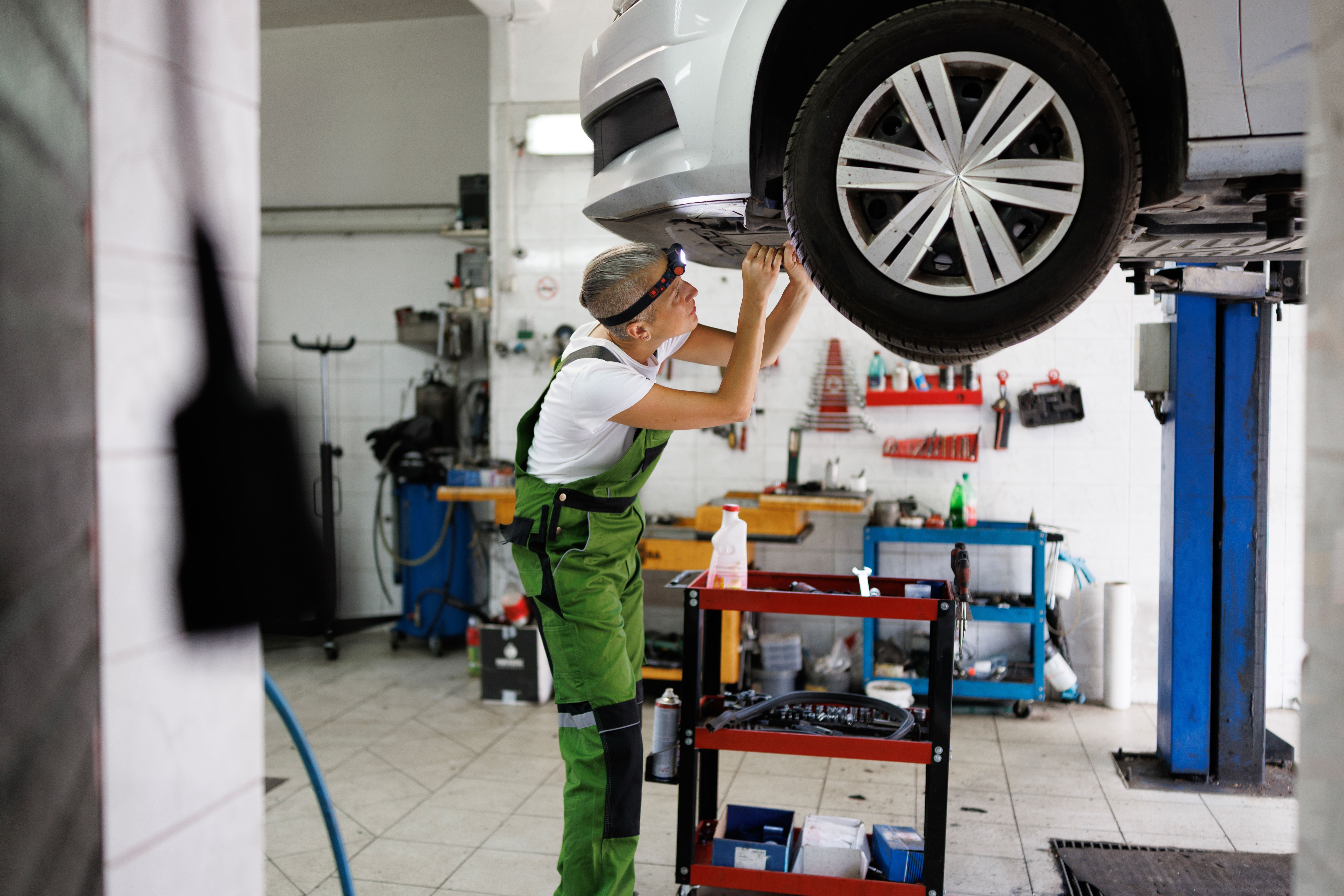
Once your new part is successfully installed, regular maintenance checks can prolong its life. Keep an eye on performance and listen for any unusual noises that might indicate an issue.
Record all changes and installations in your car's maintenance log. This practice will help you track the car’s condition and provide valuable information for future repairs or resale.

When to Call a Professional
Not every car repair is suitable for a DIY approach. If you encounter significant challenges or lack confidence in your ability to install a part properly, it's wise to seek professional assistance. This can save you time, money, and ensure your safety.
Professional mechanics have the expertise and tools necessary to handle complex installations, guaranteeing that your vehicle remains in optimal condition.