Expert Tips: Maintaining Metal Parts for Longevity
Understanding the Basics of Metal Maintenance
Maintaining metal parts is crucial for ensuring their longevity and functionality. Whether you're dealing with machinery, automotive parts, or household items, understanding the basic principles of metal care can make a significant difference. Regular maintenance not only extends the life of metal components but also prevents costly repairs or replacements.
Regular Cleaning and Inspection
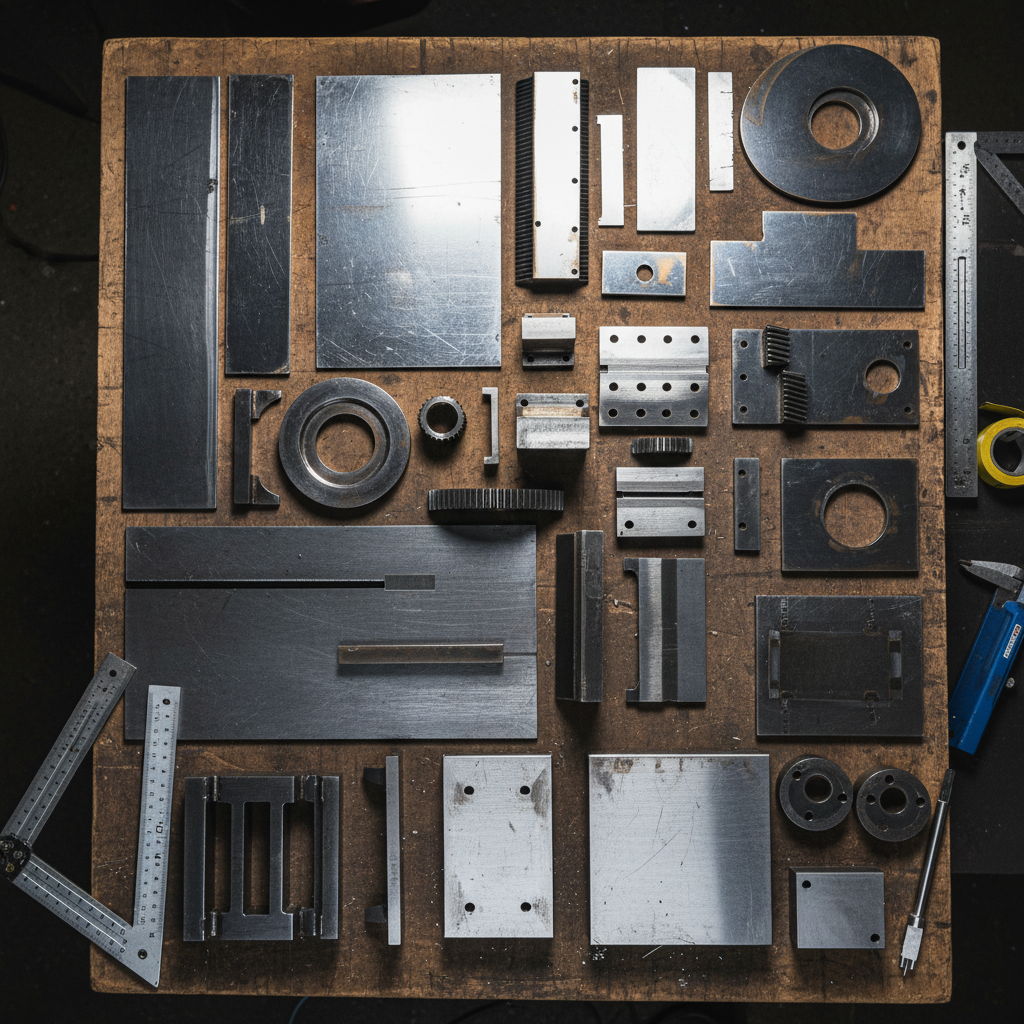
One of the most essential steps in maintaining metal parts is regular cleaning and inspection. Dirt, grime, and other contaminants can cause metal to corrode over time. Use a soft cloth and mild detergent to clean metal surfaces, and make sure to dry them thoroughly to prevent rust.
Inspect metal parts regularly for signs of wear and tear. Look for cracks, rust, or any unusual changes in appearance. Early detection of potential issues allows for timely repairs and can significantly extend the lifespan of metal components.
Proper Lubrication
Lubrication is vital for metal parts that are in motion. It reduces friction, minimizes wear, and helps prevent overheating. Make sure to use the appropriate lubricant for each specific type of metal and application. Check manufacturer guidelines for recommendations on the best lubricants to use.

It's important to apply lubrication regularly and not wait until metal parts start to squeak or bind. Establish a routine maintenance schedule to ensure consistent performance and protection.
Protecting Against Corrosion
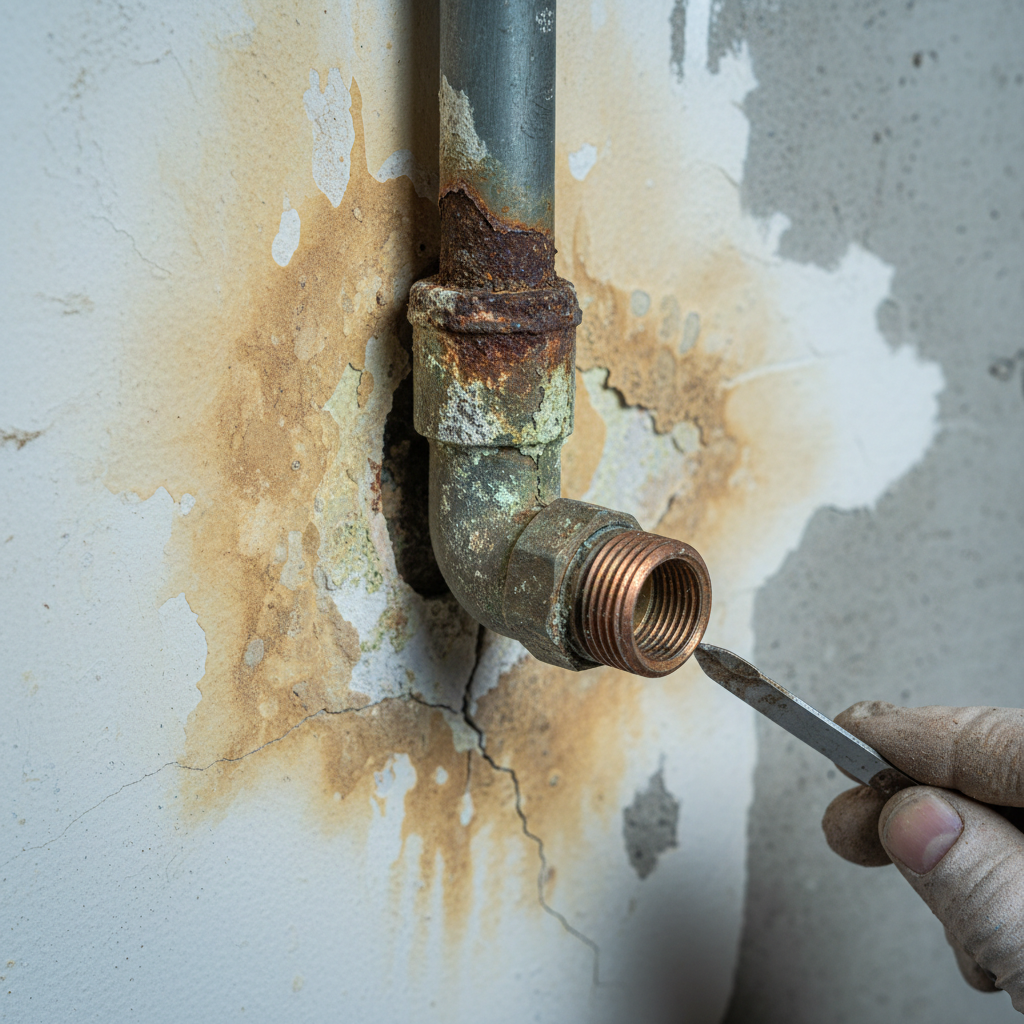
Corrosion is one of the most common issues that affect metal parts. To protect against corrosion, consider applying a protective coating such as paint, powder coating, or galvanization. These coatings create a barrier against moisture and environmental elements.
For parts exposed to harsh conditions, using rust inhibitors can be particularly beneficial. These chemical treatments can prevent rust from forming and extend the life of the metal.
Storage and Environmental Considerations
Proper storage is crucial for maintaining metal parts, especially those not in use. Store metals in a dry, climate-controlled environment to prevent exposure to moisture, which can lead to rust and corrosion. Consider using silica gel packs or dehumidifiers to control humidity levels.
When storing metal outdoors, cover them with weather-resistant tarps or use specially designed outdoor storage solutions. This added protection can prevent damage from rain, snow, and sun exposure.
Expert Tips for Specific Metals
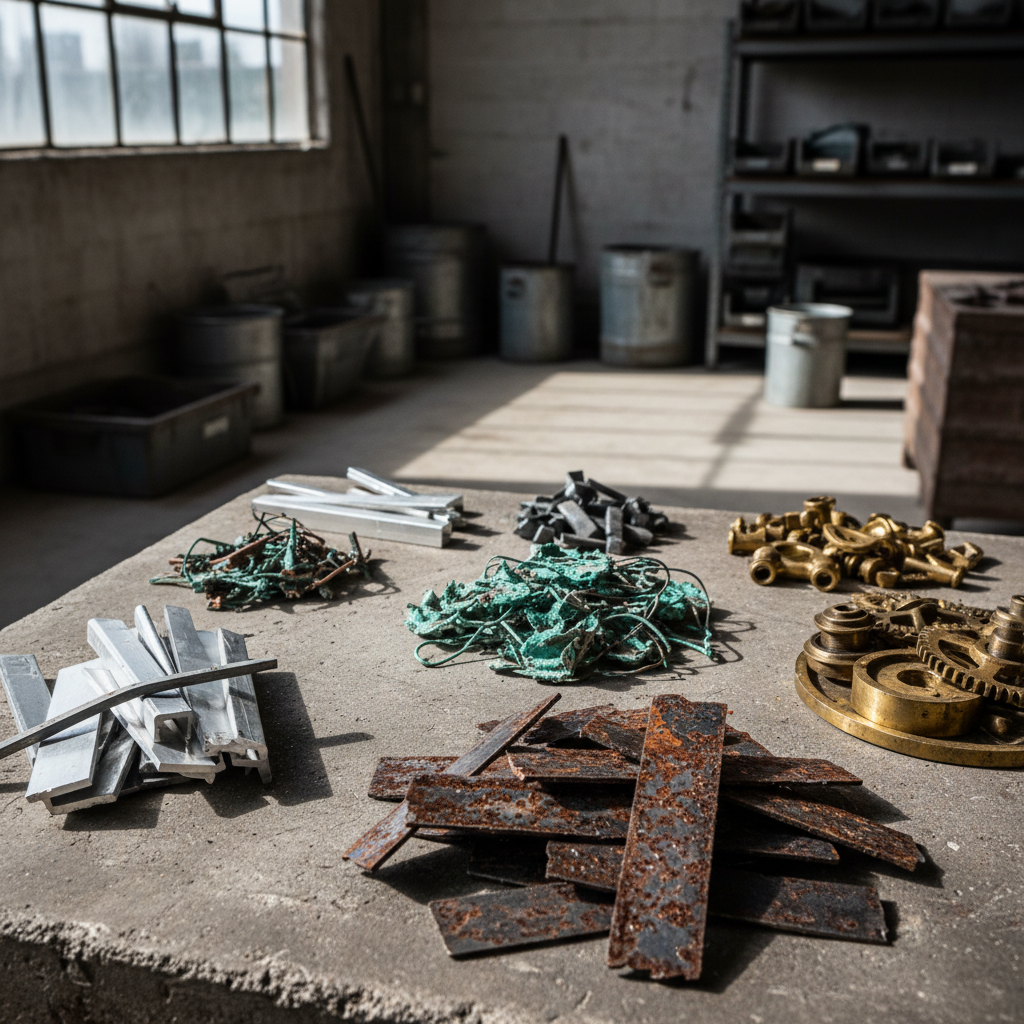
Different metals require different maintenance approaches. For instance, stainless steel is resistant to rust but can still get stained. Regular cleaning with a soft cloth and non-abrasive cleaner is recommended. For aluminum, avoid alkaline-based cleaners as they can cause corrosion.
For iron and steel, applying a thin layer of oil can protect against rust. Always follow specific guidelines for the particular type of metal you are handling to ensure the best care.
Conclusion
Maintaining metal parts effectively requires attention to detail and a consistent maintenance routine. By following these expert tips, you can ensure that your metal components remain in top condition, enhancing their longevity and functionality. Remember, proactive care is always more cost-effective than reactive repairs.