Expert Tips for Evaluating the Condition of Used Auto Parts
When it comes to purchasing used auto parts, ensuring their quality and condition is crucial. Buying used parts can be a cost-effective way to maintain your vehicle, but it's important to know what to look for to avoid future issues. In this article, we’ll explore expert tips for evaluating the condition of used auto parts.
Understand the Part's History
The first step in evaluating a used auto part is understanding its history. Ask the seller for information about the part's previous use. Was it involved in an accident? How old is it? Knowing the background can provide valuable insights into its potential lifespan.
Additionally, request any available documentation, such as maintenance records or receipts. This can help verify the part’s history and confirm its authenticity.
Inspect for Physical Damage
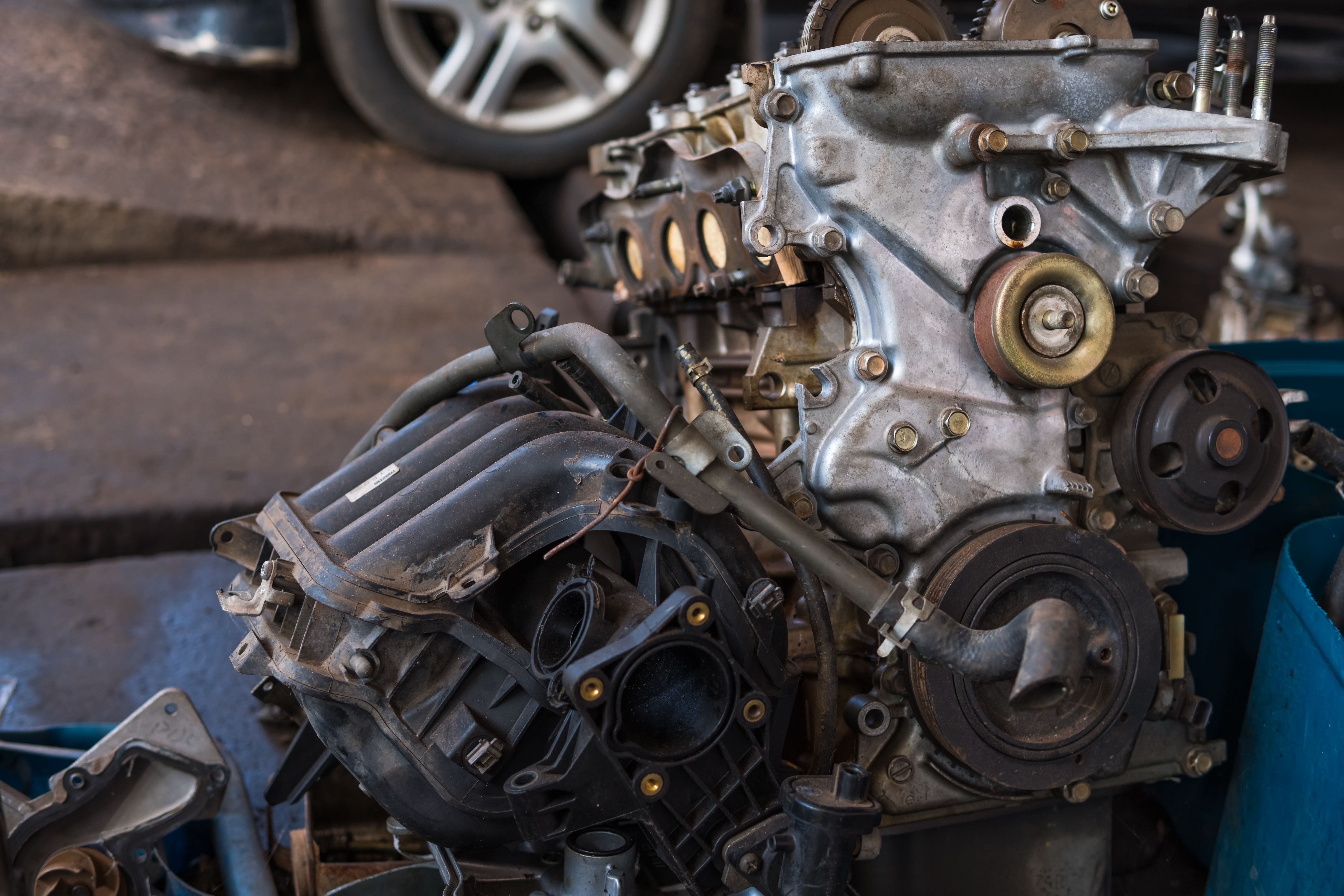
Thoroughly inspect the part for any signs of physical damage. Look for cracks, rust, or wear that might affect its functionality. Pay special attention to mounting points and any other critical areas that could compromise the part’s integrity.
Check for Rust and Corrosion
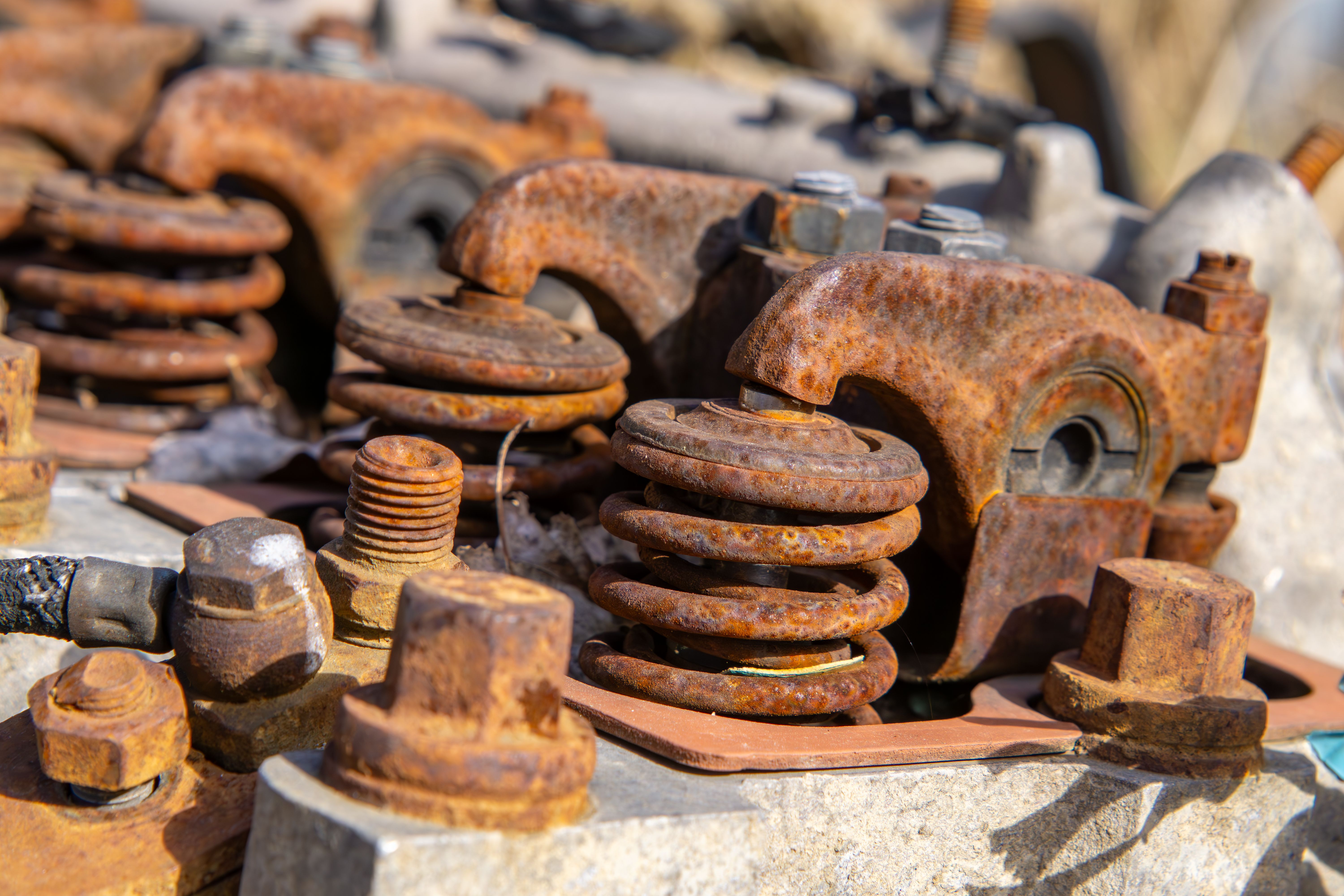
Rust and corrosion are common issues with used auto parts, especially those exposed to the elements. Examine metal parts closely for any signs of rust, as this can weaken the material and lead to failure.
Test Functionality
Whenever possible, test the part to ensure it functions as expected. For electrical components, use a multimeter to check for proper voltage and continuity. For mechanical parts, such as engines or transmissions, consider requesting a demonstration or bench test.
Ask for a Warranty
A warranty can provide peace of mind when purchasing used parts. Ask the seller if a warranty is available and understand the terms and conditions. Even a short-term warranty can be beneficial, offering some protection against defective parts.

Compare Prices
Before making a purchase, compare prices from different sellers. This can help you determine if you're getting a fair deal. Be cautious of prices that seem too good to be true, as they might indicate underlying issues with the part.
Keep in mind that while it's important to save money, quality should never be compromised. Balance cost savings with the reliability of the part to ensure optimum performance.
Consult with a Professional
If you're uncertain about a part's condition, consult with a professional mechanic. Their expertise can be invaluable in assessing the part and ensuring it meets your vehicle’s requirements. This step can prevent costly mistakes and ensure safety.
By following these expert tips, you can confidently evaluate the condition of used auto parts and make informed purchasing decisions. Whether you're looking to save money or find a rare component, a careful evaluation will help you achieve your automotive goals.