
Seasonal Car Maintenance: Preparing Your Vehicle for Canadian Winters
As the vibrant colors of fall give way to the stark beauty of winter, Canadians must prepare for the challenges that accompany the colder months. One of the most crucial tasks is ensuring that your vehicle is ready to face the harsh winter conditions. With a few proactive steps, you can safeguard your car and enhance safety on the icy roads.
Tire Maintenance
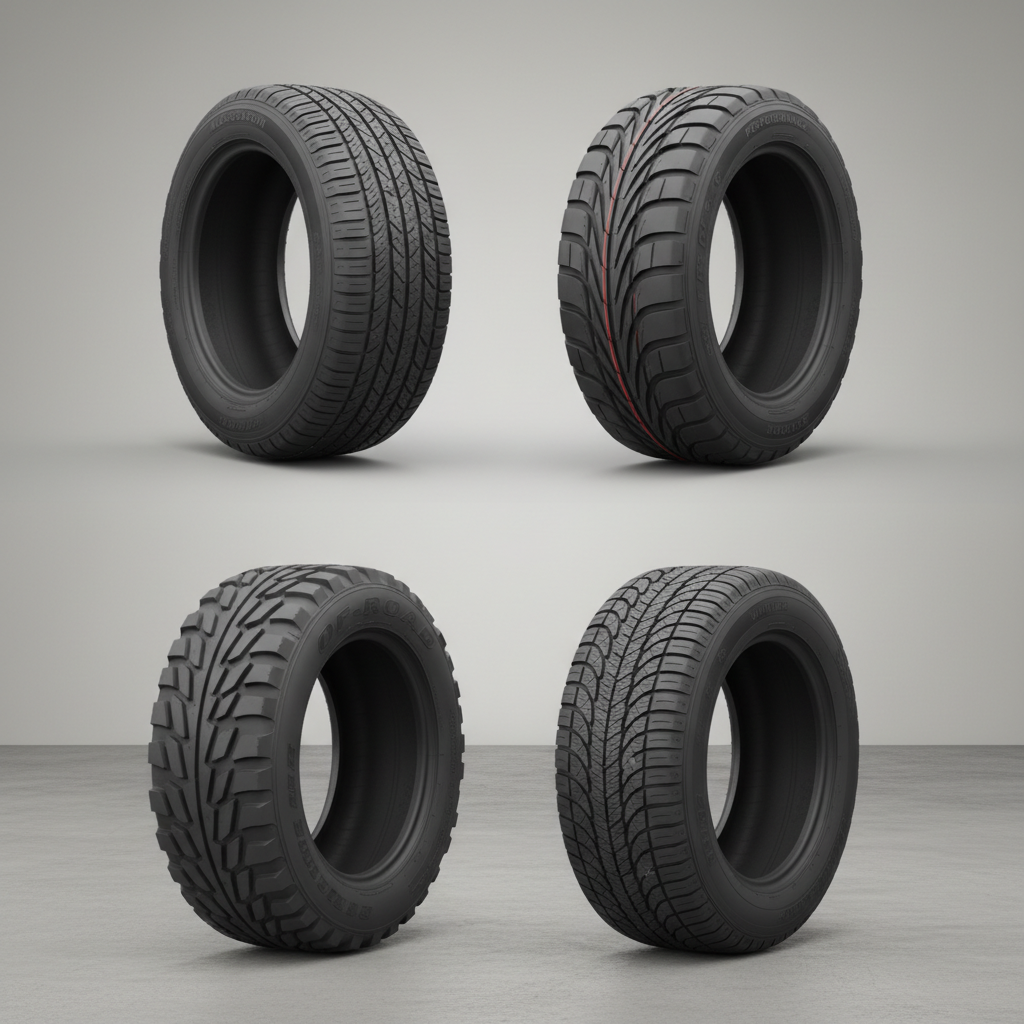
Winter tires are a necessity in Canadian winters. They offer better traction on snow and ice, which significantly reduces the risk of accidents. Ensure that your winter tires are installed before the first snowfall and check the tire pressure regularly, as it can drop with the temperature.
Inspecting Tire Tread
It's vital to inspect the tread on your tires to ensure they have adequate grip. Use a tread depth gauge to measure the tread, or perform the "toonie test"—if the tread doesn’t cover the silver part of a toonie, it’s time for a replacement.
Battery and Electrical System
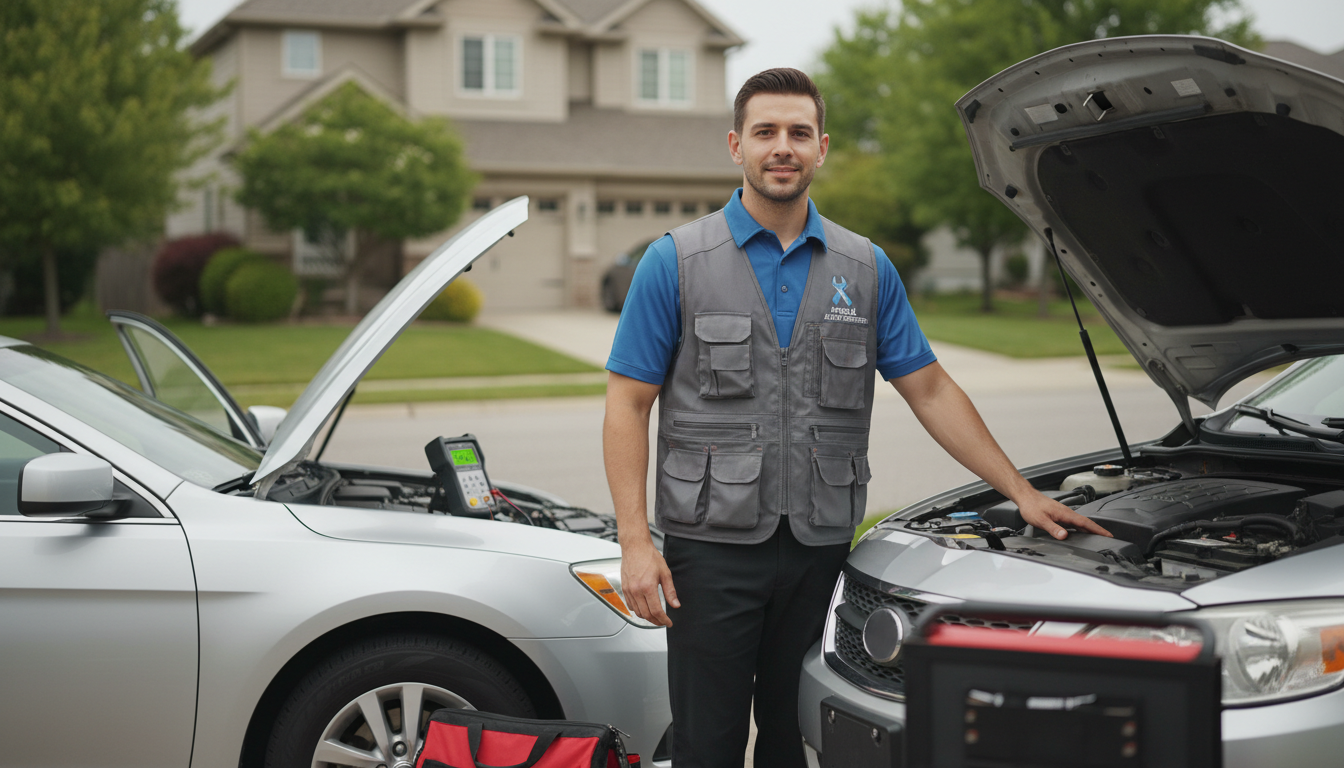
Cold weather can be especially harsh on your car's battery. Ensure that the battery is fully charged and free of corrosion. If your battery is more than three years old, consider getting it tested to make sure it can hold a charge. Also, check that all your lights are functioning correctly to maintain visibility during snowstorms.
Replacing Wiper Blades
Visibility is crucial during snowy and rainy conditions. Replace your wiper blades if they show signs of wear, and consider using winter wiper blades designed to handle ice and snow. Keep your windshield washer fluid topped up with a solution suitable for cold temperatures.
Engine and Fluids
Your engine needs extra care during winter. Ensure that your antifreeze levels are adequate and that you’re using the correct mixture for the cold temperatures. Oil can thicken in colder weather, so switching to a winter-grade oil can help your engine run smoothly.
Checking Brake System
Winter driving conditions demand a reliable brake system. Have a professional inspect your brakes, including pads and rotors, to ensure they’re in top condition. Address any issues promptly to maintain your vehicle’s stopping power.

Emergency Kit
Being prepared for emergencies is essential. Keep an emergency kit in your car that includes items such as a flashlight, blankets, non-perishable snacks, water, a first-aid kit, and jumper cables. These essentials can be lifesavers if you become stranded in severe weather.
Additionally, having a snow shovel and ice scraper can help you quickly deal with snow accumulation around your vehicle. A bag of sand or cat litter is also useful for gaining traction on icy surfaces.
Conclusion
Preparing your vehicle for Canadian winters requires attention to several key areas, but it’s a worthwhile investment in safety and performance. By taking these steps, you can enjoy peace of mind knowing that your vehicle is ready to handle the challenges of winter driving. Stay safe and enjoy the beauty of the snowy season.