Seasonal Maintenance Tips for Your Cargo Vehicle
Introduction to Seasonal Maintenance
Maintaining your cargo vehicle is essential for ensuring longevity and optimal performance, especially when the seasons change. Each season brings its own set of challenges that can affect your vehicle's functionality. By staying proactive with your maintenance routine, you can prevent costly repairs and ensure the safety of your cargo and driver.
Seasonal maintenance involves a series of checks and tasks that address the specific needs of your vehicle in different weather conditions. Whether it's the sweltering heat of summer or the icy roads of winter, proper care is crucial.

Spring Maintenance Tips
Spring is the ideal time to inspect your cargo vehicle after the harsh conditions of winter. Start by checking the tire pressure and tread depth, as cold temperatures can cause tires to deflate. It's also a good idea to rotate the tires to ensure even wear.
Next, examine the brakes. Winter roads can cause excessive wear on brake pads and rotors, so ensure they are functioning properly. Additionally, replace the windshield wipers if they show signs of wear, as spring showers require top-performing wipers.
Fluid Checks
Spring is also a good time to check and replace all fluids, including engine oil, coolant, and brake fluid. These fluids can become contaminated or depleted during winter, so topping them off or replacing them is crucial for smooth operation.
Summer Maintenance Tips
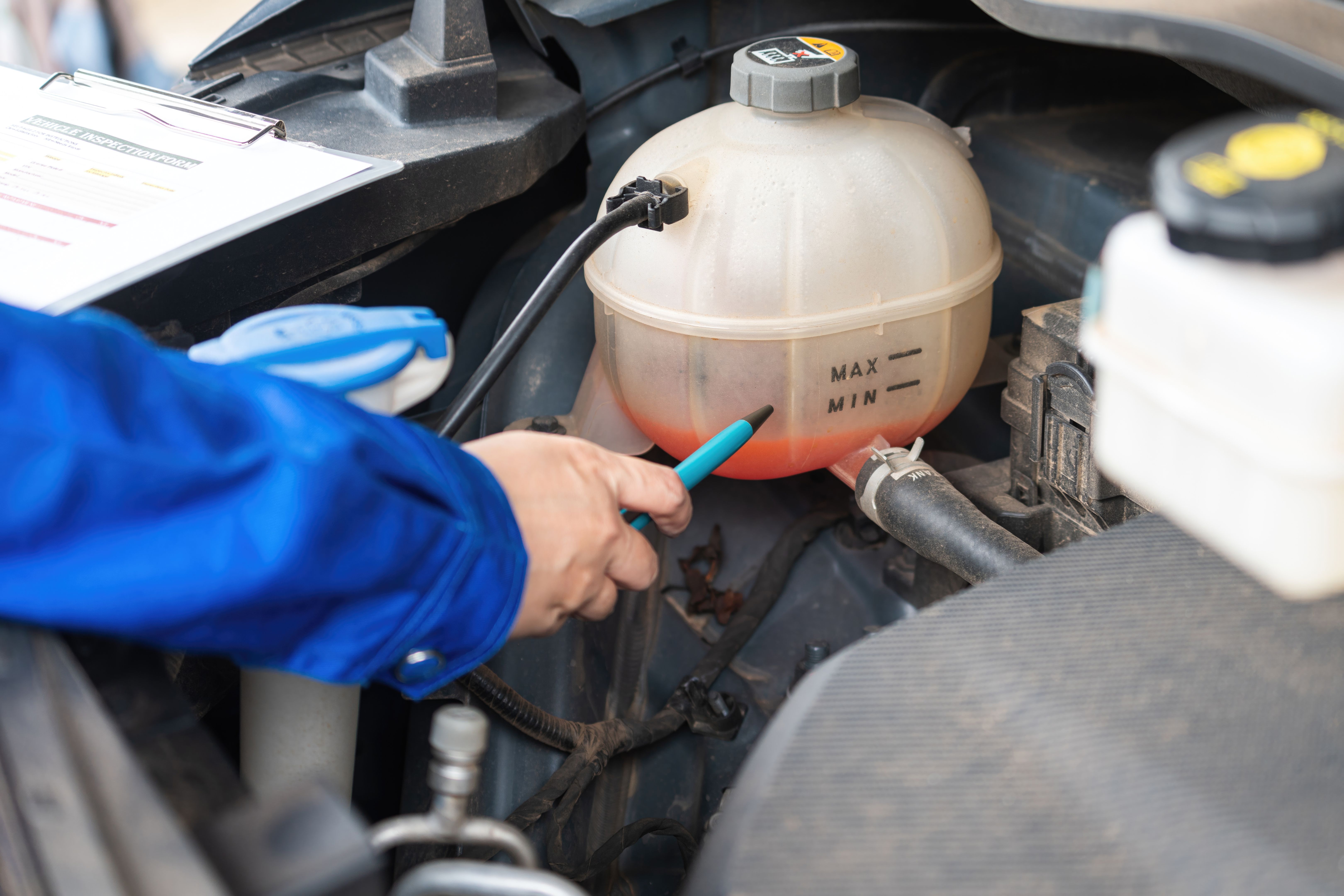
As temperatures rise, your cargo vehicle requires special attention to prevent overheating. Begin by inspecting the cooling system, including the radiator and hoses, for any leaks or damage. Ensure the coolant is at the correct level and concentration.
In addition to the cooling system, check the air conditioning. A properly functioning AC system is essential for driver comfort during long hauls in hot weather.
Battery Care
Summer heat can be tough on your vehicle's battery. Check for corrosion on the terminals and ensure the battery is securely mounted. Test the battery's charge and replace it if necessary to avoid breakdowns.

Fall Maintenance Tips
Fall is the perfect time to prepare your vehicle for the upcoming winter months. Start by inspecting the tires for any damage and consider switching to winter tires if you operate in areas prone to snow and ice.
Check the vehicle's heating system to ensure it's working efficiently, and replace the cabin air filter to improve air quality inside the vehicle.
Lighting and Visibility
As days get shorter, ensure all vehicle lights are functioning correctly. Replace any burnt-out bulbs and clean the headlights to improve visibility. Consider upgrading to LED lights for better performance.
Winter Maintenance Tips
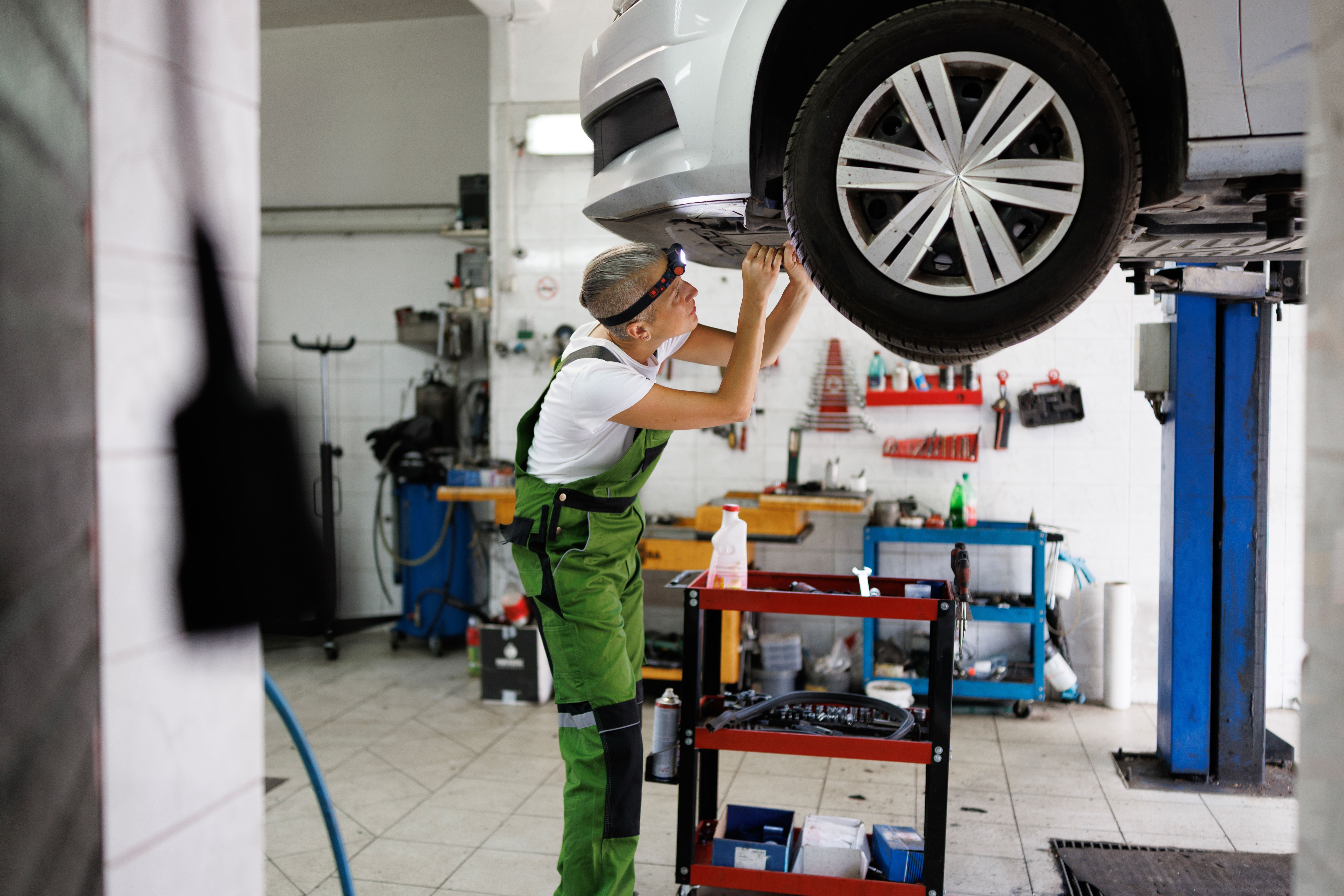
Winter conditions can be harsh on your cargo vehicle, so extra precautions are necessary. Start by inspecting the battery, as cold weather can reduce its efficiency. Keep a set of jumper cables in the vehicle just in case.
Check the tire pressure regularly, as cold air can cause it to drop. Ensure the tires have adequate tread for gripping snowy or icy roads.
Emergency Kit
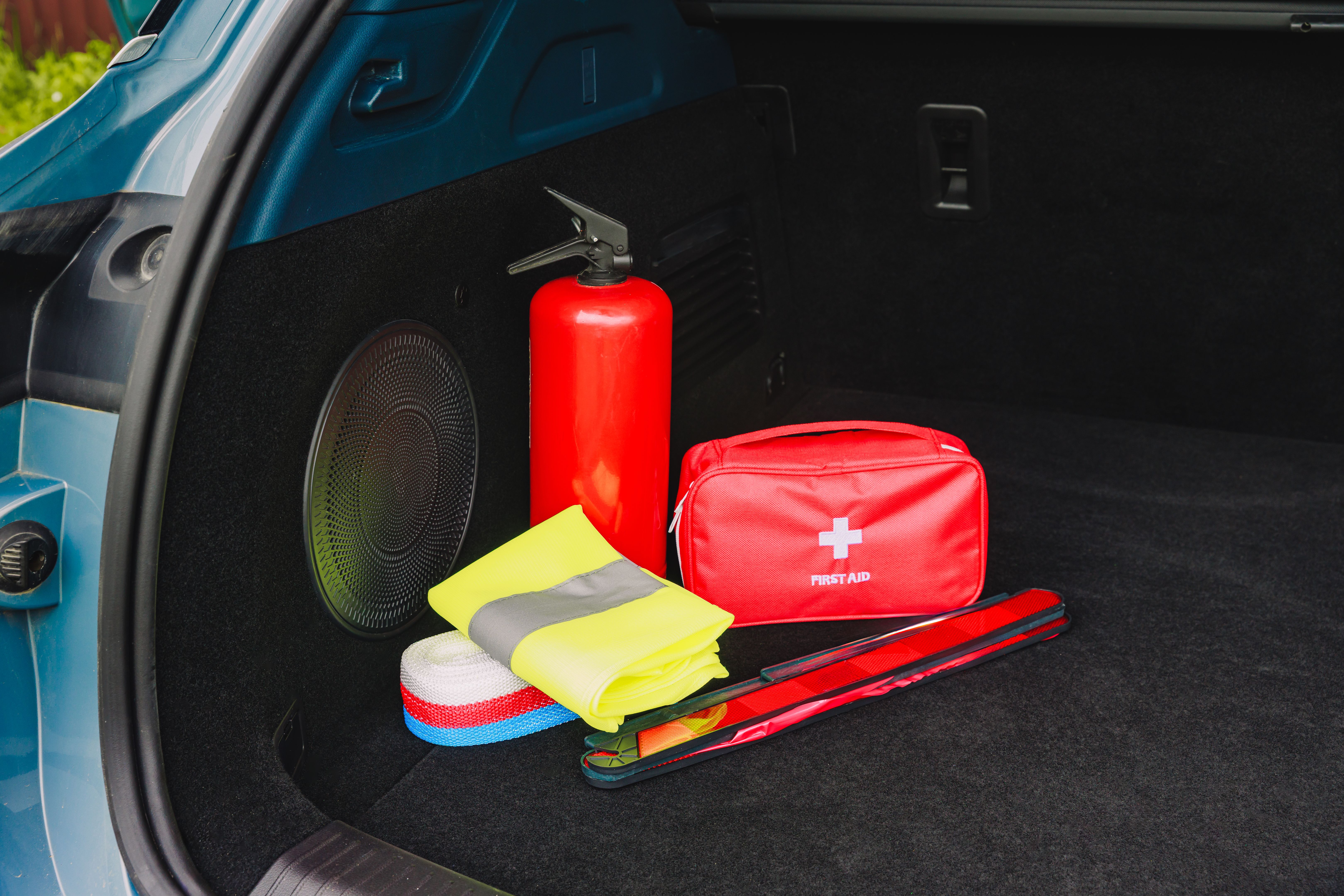
It's important to have an emergency kit in your vehicle during winter. Include items such as blankets, a first aid kit, flares, and non-perishable food. These can be lifesavers in case of an unexpected breakdown.
Conclusion
Regular seasonal maintenance is key to keeping your cargo vehicle in top shape and minimizing unexpected repairs. By addressing the specific needs of your vehicle each season, you ensure safe and efficient operations throughout the year.
Remember, a well-maintained vehicle not only protects your investment but also ensures the safety of your cargo and driver. Stay proactive, and your vehicle will thank you for it!